
Closet Storage Units: Define Box and Shelf Packs
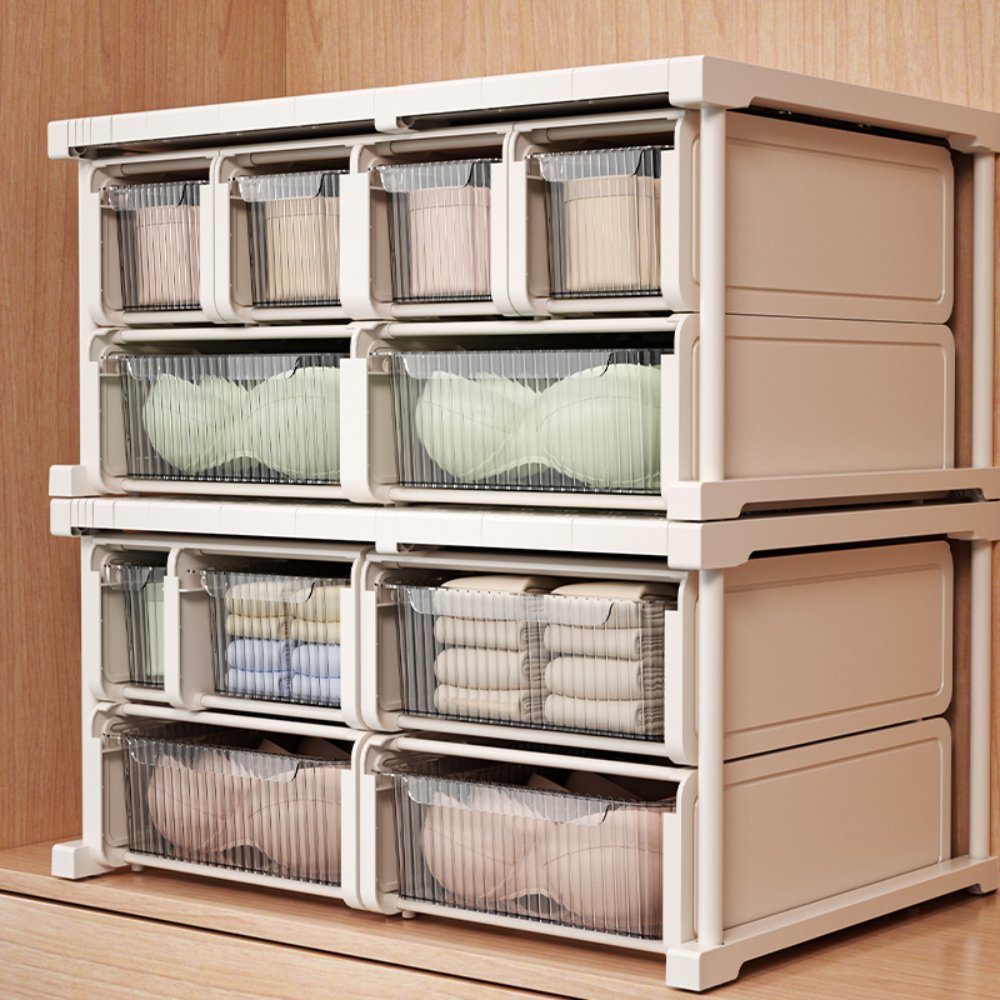
Define a closet storage pack by the actual module or shelf unit supplied, its confirmed component list and the agreed quantity. Keep a storage box distinct from an open shelf product, even when both appear in one wardrobe arrangement. Approve the pack description and product references together so a catalogue stack is not mistaken for the contents of one sales unit.
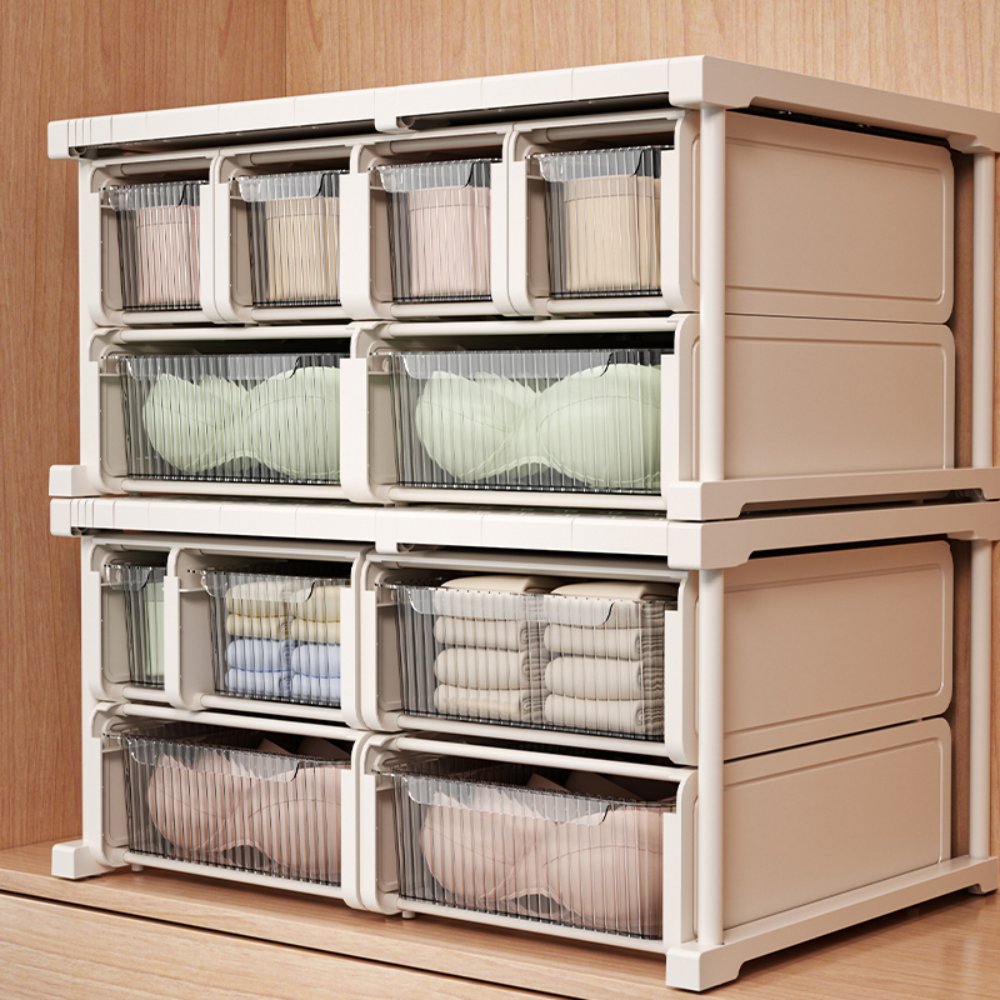
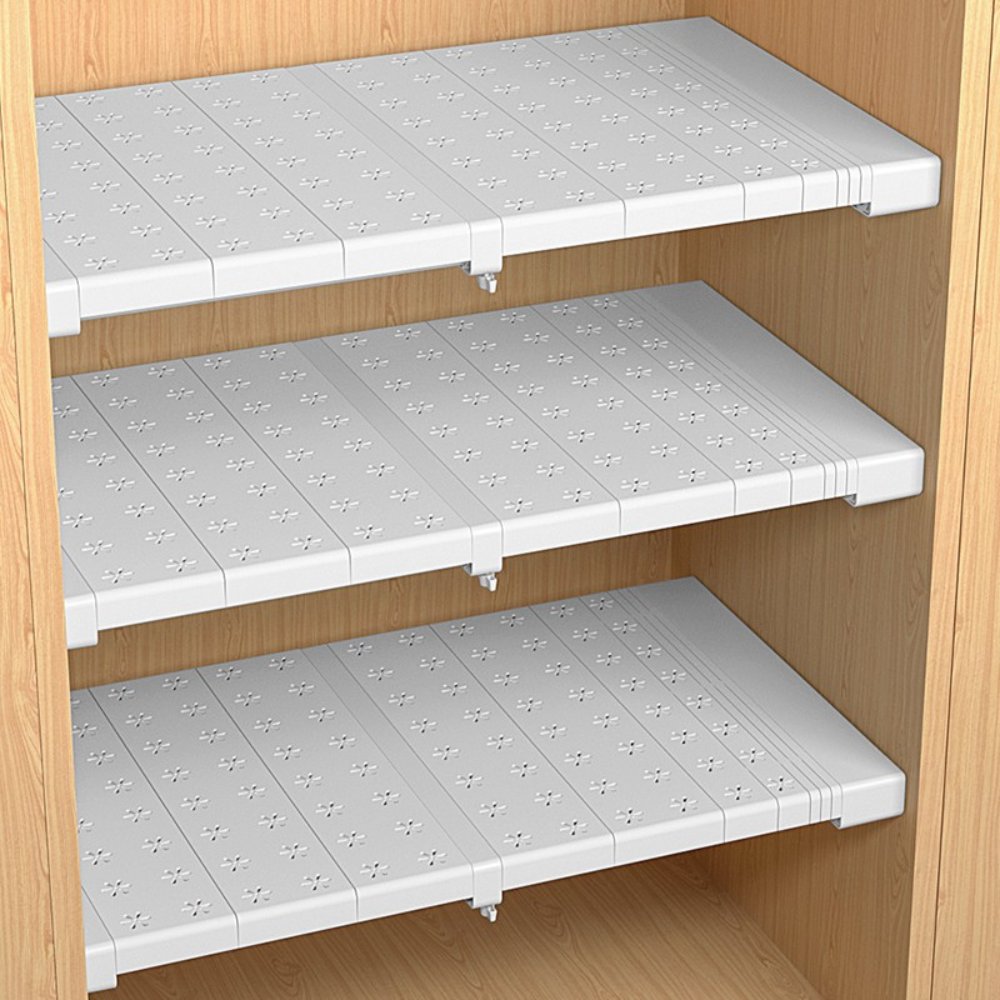
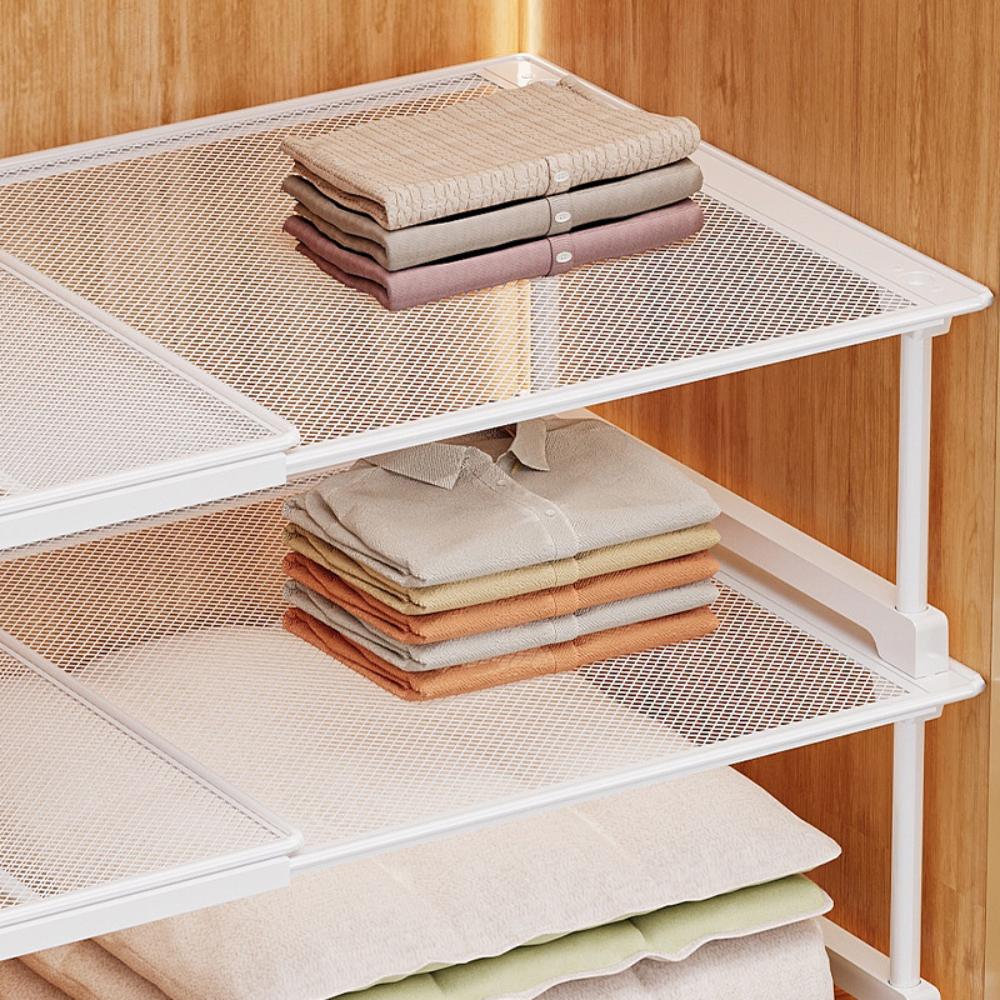
A wardrobe photograph can show several stacked modules and open shelves in a coordinated arrangement. For a wholesaler, that scene raises a practical question: what exactly does one purchased unit contain? Guansen lists Lingerie Storage Box, Full-Cover Flagship Shelf Divider and Wire Mesh Closet Shelf Divider as separate products. Their identities should remain clear through packing and reorders.
Choose a commercial unit that can be counted
Start with the named storage box product and ask the supplier what the quoted unit covers. A picture may show several modules, fronts or compartments, but it does not state how they are grouped for sale. Ask for a plain description that a receiving team can count without interpreting the styling scene.
Where the buyer wants several modules together, make that requested arrangement explicit. Identify which parts form the complete module and whether any connecting or separating pieces are included. Keep the response specific to the selected version rather than using a broad phrase such as complete closet system.
Catalogue references: Lingerie Storage Box, Full-Cover Flagship Shelf Divider, Wire Mesh Closet Shelf Divider.
Keep boxes and shelf products on separate lines
An open shelf and a box module organise a wardrobe differently, and the supplier lists them under different product references. Keep each requested product on its own line even if the buyer intends to sell them as a coordinated range. That separation prevents a packing or receiving team from assuming one item belongs inside another product’s commercial set.
Use the actual product photographs to identify the chosen construction. If the buyer plans to place boxes on a shelf, request an appropriate fit review and confirm the intended arrangement separately. Do not infer compatible module dimensions or a supported stacking configuration simply because the products belong to the same storage category.
- Define one countable module or shelf unit.
- Keep separate products on distinct order lines.
- Confirm contents independently of styling props.
- Link pack identifiers to the approved commercial unit.
Write a contents description for the packed unit
Ask the supplier to propose a contents list and presentation for each selected line. Identify the actual module, shelf or component group included. Clothing, bags and other styling items remain outside the order unless they are expressly agreed as supplied contents. This should be clear in both the internal record and the proposed customer-facing description.
The table separates the product identity from the scene used to illustrate it. It leaves quantities and commercial presentation for confirmation rather than inventing a standard pack. Use the confirmed description on the order so a grouped carton can be reconciled with the intended sales units.
| Catalogue reference | Commercial question | Packing record |
|---|---|---|
| Lingerie Storage Box | What forms one supplied module? | Confirmed module contents and quantity |
| Covered Shelf Divider | What is the selected shelf unit? | Separate product and component reference |
| Wire Mesh Shelf Divider | Which version is supplied? | Identifiable unit and grouped packing |
| Coordinated assortment | Which products are separate sales units? | Order-to-pack allocation for each line |
Approve pack identifiers with a physical reference
Review the proposed packed sample or complete packing reference beside the contents description. Confirm that the supplier reference and buyer stock reference lead to the same actual unit. Where several module or shelf versions are purchased together, agree labels that allow them to be distinguished during receiving and stock picking.
Retain the approved label or artwork version with the product record. Ask the supplier to explain any existing product marking that remains on the supplied item. Keep compatibility, material or care wording within the confirmed scope rather than adding general claims about dust prevention, storage capacity or service life.
Use the unit definition when restocking
A repeat enquiry should identify the approved commercial unit, not just repeat the name of a wardrobe scene. Send the supplier reference, buyer stock reference and packing version together. Confirm whether the requested quantity refers to modules, shelf units or grouped packs before accepting the quotation.
When a component arrangement or pack quantity changes, review whether the stock description still means the same thing. Update the receiving record before mixing revised units with existing inventory. This allows the buyer to expand a coordinated closet range while preserving a clear distinction between its individual products and the complete arrangement shown in marketing images.
Frequently Asked Questions
Does the pictured stack define a standard multipack?
No. Ask for the actual quoted module quantity and contents before treating a stack as one saleable unit.
Should boxes and shelves share one stock reference?
Keep their identities separate unless a specific combined offer has been agreed and documented as its own commercial unit.
What must be clarified on a repeat order?
Confirm the unit definition, selected product references, quantities and packing version before comparing the new offer with the approved one.
Send the proposed module and shelf-unit schedule to agree the exact pack contents and identifiers. Browse the product catalogue, read the supplier blog or contact the supplier.